Lets keep deer off the road in the forest through heritage food reforestation of wildlife nutrition and herbs!
Table of Contents
- Introduction
- The Problem of Roadkill
- The Solution: Heritage Food Reforestation
- The Relevance of Wildlife Nutrition
- Volunteer Community Projects
- Practical and Effective Use of Green Budgets
- Related Images
- Conclusion
- FAQs
Introduction
Roadkill is a significant issue in forested areas, causing harm to both wildlife and drivers. In order to mitigate the problem and protect both the animals and the people, innovative approaches are needed. One such approach is the implementation of heritage food reforestation for wildlife nutrition. By providing the right food sources for animals in their natural habitats, we can reduce their dependency on crossing roads in search of sustenance. This article explores the concept of heritage food reforestation and its potential to keep deer off the road in the forest.
The Problem of Roadkill
Roadkill refers to the unfortunate incidents where animals are struck by vehicles on roadways. While this is a tragedy for the animals involved, it can also pose risks to human safety. Deer, in particular, are prone to crossing roads, especially during certain seasons or times of the day. This behavior exposes them to the danger of being hit by passing cars, causing injuries and fatalities. Additionally, roadkill incidents can contribute to vehicle damage and increased insurance costs for drivers.
The Solution: Heritage Food Reforestation
Heritage food reforestation involves the strategic planting of trees and shrubs that provide native wildlife with the necessary nutrition. By creating a diverse and sustainable habitat, animals are less likely to venture onto roads in search of food. This approach not only reduces the risk of roadkill but also promotes the overall health and well-being of the wildlife population. By restoring natural food sources, we can create a balanced ecosystem and decrease the likelihood of dangerous encounters between animals and vehicles.
The Relevance of Wildlife Nutrition
Wildlife nutrition plays a crucial role in maintaining the health and vitality of animal populations. Certain species, such as deer, require specific nutrients for growth, reproduction, and overall survival. When these nutrients are scarce in their natural habitat, animals may be compelled to seek alternative food sources, often leading them to cross roads and encounter vehicles. By ensuring the availability of appropriate nutrition within their habitats, we can prevent animals from venturing onto roads in search of sustenance.
Volunteer Community Projects
Implementing heritage food reforestation projects often requires the collective effort of the community. Volunteer initiatives can play a significant role in planting and maintaining the trees and shrubs that will serve as food sources for wildlife. By getting involved in such projects, individuals can contribute to preserving the environment, protecting wildlife, and reducing the risk of roadkill incidents. Volunteer community projects also foster a sense of connection and stewardship among participants, strengthening the bond between people and nature.
Practical and Effective Use of Green Budgets
Green budgets, allocated for environmental initiatives, can be effectively utilized for heritage food reforestation projects. By directing funds towards tree planting and habitat restoration, authorities can address the issue of roadkill while promoting sustainable environmental practices. The practicality and cost-effectiveness of this approach make it a viable solution for reducing roadkill incidents and enhancing wildlife conservation. Green budgets can also serve as a catalyst for community engagement and collective action against the challenges posed by roadkill.
Related Images
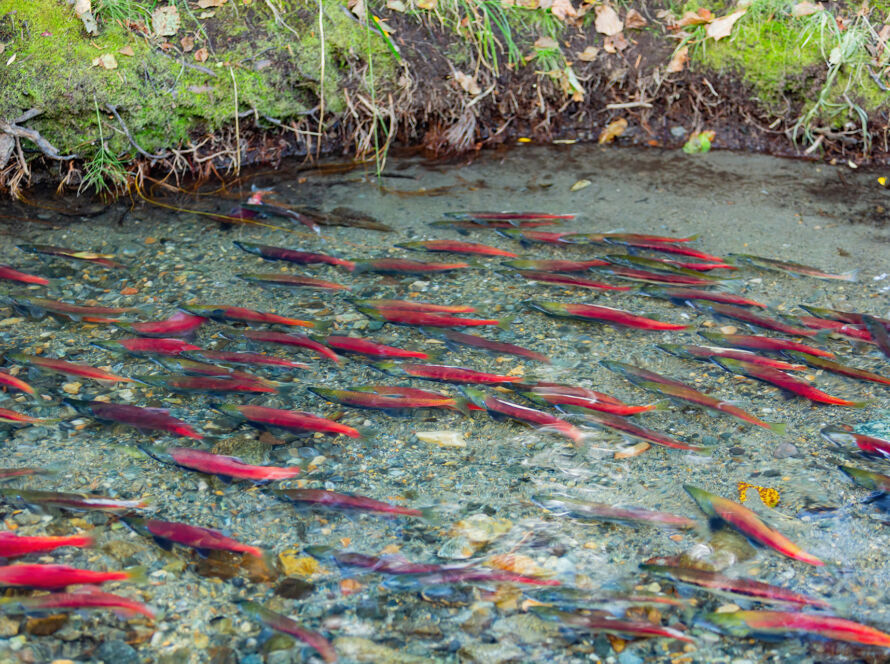
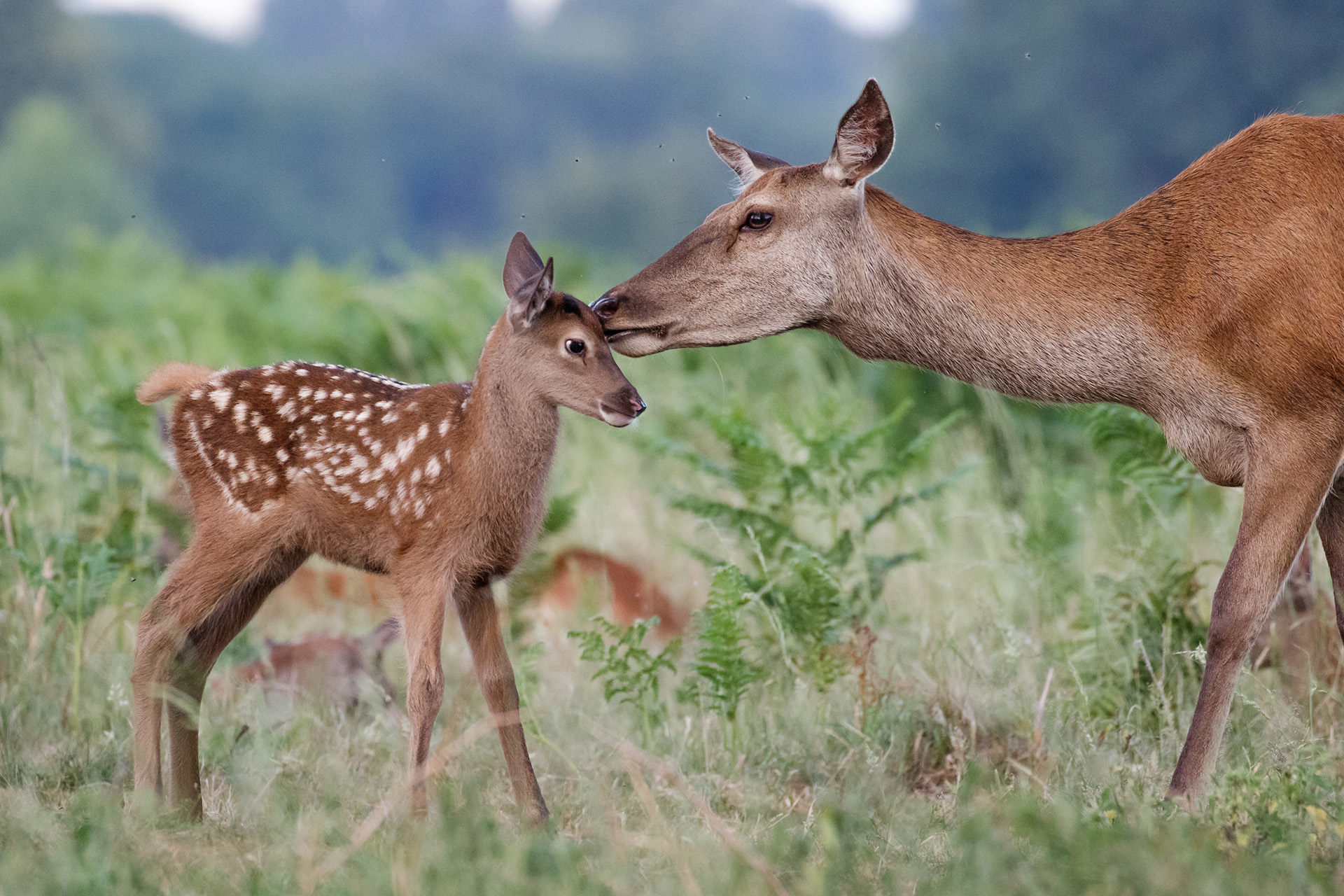
Below are three royalty-free images related to heritage food reforestation:


Conclusion
Roadkill incidents in forested areas can have devastating consequences for both wildlife and drivers. Through the implementation of heritage food reforestation for wildlife nutrition, we can address the root cause of this problem. By providing animals with the necessary food sources within their natural habitats, we can reduce their reliance on crossing roads in search of sustenance. Volunteer community projects and the practical use of green budgets can play vital roles in implementing this solution effectively. Let’s work together to keep deer off the road and create a safer environment for both humans and animals.
FAQs
1. How can heritage food reforestation help in reducing roadkill?
By creating a sustainable habitat with abundant native food sources, animals are less likely to venture onto roads in search of food, thus reducing the risk of roadkill incidents.
2. What are some examples of heritage food sources for wildlife?
Examples of heritage food sources for wildlife include native trees, shrubs, and grasses that provide the necessary nutrition and support the natural diet of animals.
3. Can heritage food reforestation be implemented in urban areas?
Yes, heritage food reforestation can be adapted to urban environments by incorporating green spaces and planting trees and shrubs that attract wildlife while minimizing their interaction with roadways.
4. How can I get involved in volunteer community projects for heritage food reforestation?
You can reach out to local environmental organizations, conservation groups, or government agencies to inquire about volunteer opportunities in heritage food reforestation projects.
5. What are some other ways to reduce roadkill incidents?
Other effective measures to reduce roadkill incidents include implementing wildlife crossings, installing fencing along roads, and raising awareness among drivers about the importance of wildlife conservation and safe driving practices.